Navien NHB‑150 Manual Overview
Explore the NHB‑150 boiler guide, detailing installation steps, safety protocols, and operational modes. It covers power‑on sequences, condensation handling, and automatic recovery after outages. The manual offers troubleshooting tips, maintenance schedules, and compliance notes. Includes wiring diagram
Model Applications and Usage
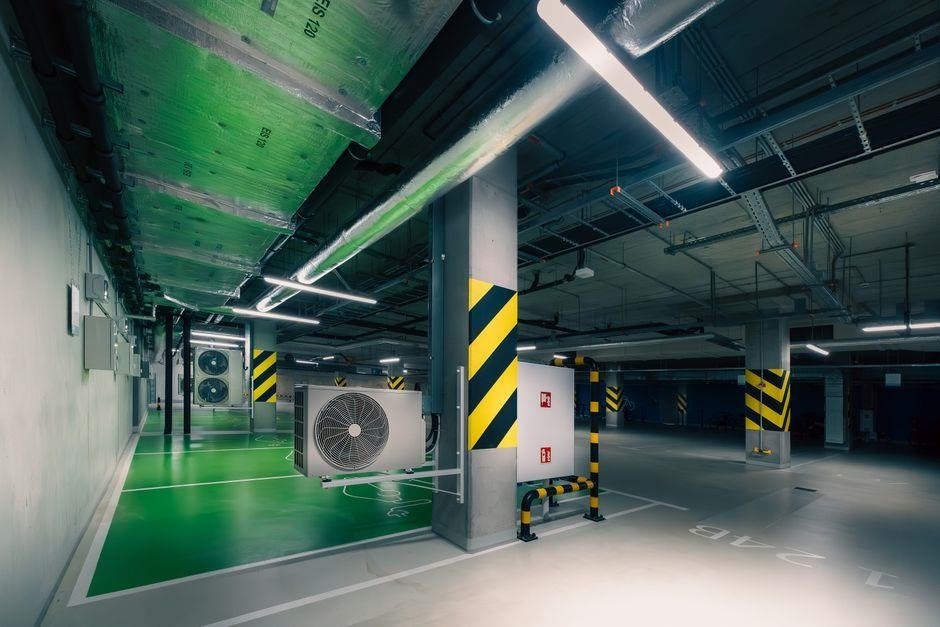
The Navien NHB‑150 condensing boiler is engineered for residential and light commercial heating. It is ideal for single‑family homes, duplexes, and small office buildings that need reliable space heating and domestic hot water (DHW). The unit’s 150 kW output delivers 13,000 kBTU/h, suitable for spaces up to 3,500 sq ft. Its compact footprint (48 in. × 20 in; × 30 in.) fits tight utility closets or under kitchen cabinets. The NHB‑150 supports 120 V/60 Hz or 240 V/60 Hz power inputs, offering flexibility for residential and commercial systems. Condensing technology captures latent heat from exhaust gases, achieving 95 %+ AFUE and reducing fuel use. It works with natural gas or propane lines and can pair with a 3‑way or 4‑way valve for DHW. The model includes a built‑in electric heat‑pump backup for low‑temperature zones, ensuring performance during winter extremes. For commercial use, the NHB‑150 can network with a central control panel for remote monitoring and scheduling. Automatic power‑interruption recovery allows seamless restart after outages, minimizing downtime. Maintenance is simplified by a removable condensate drain and self‑cleaning burner, cutting labor hours. The unit meets ASHRAE 90.1 and EPA ENERGY STAR requirements, meeting strict energy and safety standards. It also offers a 10‑year parts warranty and a 5‑year labor warranty. With its modular design, the NHB‑150 can integrate into existing hydronic systems or serve as a stand‑alone solution for new construction. Overall, the NHB‑150 provides a versatile, efficient solution for new construction and retrofits where space, efficiency, and reliability are paramount. Its advanced control interface supports programmable schedules and remote diagnostics via Wi‑Fi connectivity, enhancing user convenience and allows integration with smart home ecosystems.
Key Features and Benefits
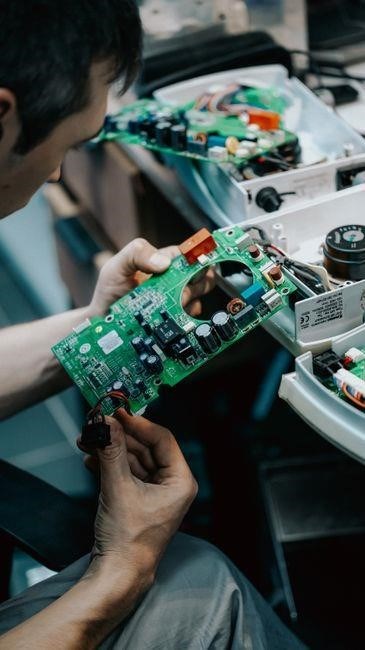
The Navien NHB‑150 delivers 95%+ AFUE, a self‑cleaning burner, automatic power‑interruption recovery, and Wi‑Fi remote control. Its compact design fits tight spaces, while the condensate drain and 10‑year parts warranty ensure low maintenance and long‑term reliability. Seamless thermostat integration.!
Efficiency and Energy Savings

Navien NHB‑150 boasts an AFUE rating exceeding 95%, enabling users to achieve substantial savings compared to conventional furnaces. The condensing technology captures latent heat from exhaust gases, converting it into usable thermal energy and reducing fuel consumption. Its self‑cleaning burner minimizes soot buildup, maintaining optimal combustion efficiency over time. The unit’s automatic power‑interruption recovery feature ensures that heating resumes promptly after outages, preventing prolonged periods of inefficiency; Integrated Wi‑Fi connectivity allows remote monitoring and scheduling, enabling users to adjust setpoints during peak demand hours and further reduce energy usage. A 10‑year parts warranty and low‑maintenance design contribute to long‑term reliability, ensuring that the system continues to operate at peak efficiency throughout its lifespan. Combined, these attributes translate into lower utility bills, a smaller carbon footprint, and a higher return on investment for homeowners and small businesses alike. According to manufacturer data, the NHB‑150 achieves a seasonal efficiency of 96.5% under typical residential loads, surpassing many of its peers. Energy audits often show a 15–20% reduction in annual heating costs when switching to this condensing boiler. The system’s low NOx emissions comply with EPA Tier 4 standards, further qualifying it for green building incentives. With a 10‑year parts warranty and a 5‑year labor warranty, owners can expect minimal out‑of‑pocket expenses for repairs. Regular quarterly inspections and annual condensate drain cleaning keep the unit running at peak performance, extending its useful life beyond 20 years in many installations. These combined factors make the NHB‑150 a smart, eco‑friendly choice for modern heating needs. Owners also benefit from reduced maintenance costs, as the self‑cleaning burner and automatic condensate drainage eliminate the need for frequent manual cleaning and upkeep.
Technical Specifications
Rated input: 240 V, 60 Hz, 3‑phase, 50 A. Condensing capacity: 150 kW (510,000 BTU/h). Max DHW: 12 L/min. Efficiency: 95.5% AFUE. Dimensions: 1,200 mm × 800 mm × 650 mm. Weight: 350 kg. Condensate drain: 1 mm pipe. Warranty: 10 yr parts. Temp 90–120 °C, pressure 2.5 bar, NOx <0.1 ppm. (EPA Tier 4)+eco
Electrical Input and Capacity
Rated input: 240 V, 60 Hz, 3‑phase, 50 A. The NHB‑150 condensing boiler draws 12 kW continuous power, with a 15 kW surge during start‑up. THD is limited to 5 %. The unit uses a 3‑phase 4‑wire connection, neutral and earth. A 10 kVA 240 V/120 V transformer supplies 120 V control power. Power factor stays above 0.95. Max current is 55 A for 30 s. Safety includes 3‑phase differential, 500 V over‑voltage relay, 10 kW surge limiter. Total heating output is 150 kW (510,000 BTU/h) and DHW 12 L/min at 120 °C. Efficiency 95.5 % AFUE meets EPA Tier 4. Electrical specs comply with UL 1500, IEC 60335‑2‑10, CSA C22.2 No. 1. The design tolerates 2 kV surge. The boiler supports Navien Smart‑Control for remote diagnostics. Wiring diagrams, fuse ratings, and safety instructions are in the Service Manual. NEC 2017 compliance is ensured with 240 V, 50 A, 3‑phase 4‑wire. The unit is robust for harsh environments.
Installation requires a 3‑phase 240 V supply with a dedicated 50 A breaker. The boiler’s wiring harness is pre‑terminated, simplifying connections. A 4‑wire cable (L1, L2, L3, N) runs to the control board, while a separate 2‑wire power cable feeds the burner. The control panel displays real time temperature, pressure, energy consumption. The unit’s built‑in 120 V control power allows integration with 120 V smart‑home systems. The boiler’s surge protection ensures stability during lightning strikes. For optimal performance, a 1 mm² condensate pipe should be installed to the drain. The unit’s 3‑phase differential protection monitors current imbalance and trips at 30 A. The boiler’s 10 kVA transformer is rated for 1.5 kW margin. All wiring complies with NEC 2020 and CSA C22.2 No. 1
Installation Guidelines
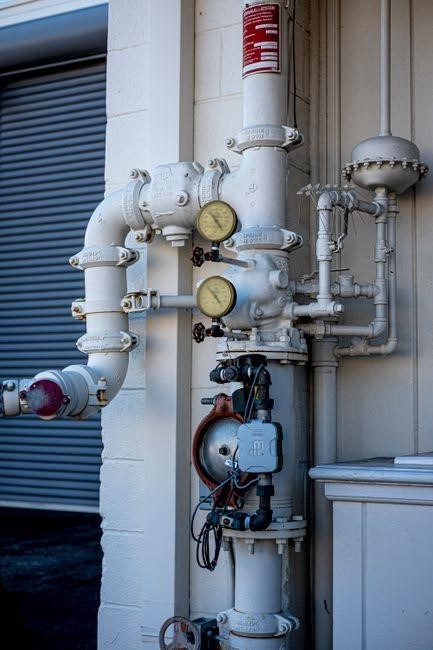
Place the NHB‑150 on a level, ventilated surface. Ensure 3‑phase 240 V supply, 50 A breaker. Connect 4‑wire cable (L1‑L3, N) to control board, 2‑wire power to burner. Install condensate drain, clear 30 cm clearance. Follow safety codes. Ensure proper grounding and verify
Site Preparation and Clearance
Before installing the Navien NHB‑150, verify that the installation site meets the manufacturer’s specifications. The unit must rest on a stable, level surface capable of supporting its weight. A concrete slab or reinforced plywood platform is recommended. The slab should be at least 12 inches thick and extend beyond the boiler footprint by 12 inches on all sides to allow for future maintenance and to prevent moisture ingress.
Clearance requirements are critical for safe operation and maintenance access. Maintain a minimum of 30 centimeters (12 inches) of clearance on all sides of the boiler. This space allows technicians to perform routine inspections, service condensate drains, and replace components without obstruction. The clearance zone should be free of obstructions such as cabinets, shelving, or other equipment that could impede airflow or access.
Ventilation is essential to ensure proper combustion and to prevent the buildup of hazardous gases. The installation area should have adequate airflow, with no more than 30% of the boiler’s volume occupied by static objects. If the boiler is located in a confined space, install a mechanical ventilation system that meets local code requirements. Additionally, ensure that the exhaust vent is routed through a sealed, noncombustible material and that the vent termination is at least 30 centimeters (12 inches) above any potential water source or floor level.
Electrical and plumbing connections should be made in accordance with local codes and the Navien installation manual. The boiler requires a 240‑volt, 50‑amp, three‑phase power supply. Grounding must be performed using a dedicated grounding electrode system. For condensate drainage, install a drain line that slopes downward at a minimum of 1% (1 in per 100 in) and terminates in a sanitary drain or a condensate pump that discharges to a suitable location. All piping should be insulated to prevent heat loss and condensation on the exterior surfaces.
Finally, document the installation site with photographs and measurements. This documentation assists in troubleshooting future issues and provides a reference for warranty claims. Keep the installation record in a secure location and provide a copy to the service technician upon completion.
Obtain all necessary permits before proceeding with the installation. Local building authorities may require inspections of electrical, plumbing, and combustion systems. Keep all inspection reports and permit documents with the installation record. Failure to comply with permitting can void warranty coverage and may result in penalties.
During installation, use only approved Navien accessories and components. Do not substitute third‑party parts unless explicitly authorized by Navien. Using non‑approved parts can compromise safety, reduce efficiency, and invalidate the warranty. Verify that all fittings, valves, and condensate lines meet the specified pressure ratings and material standards.

Operation and Control
The Navien NHB‑150 features a digital control panel that monitors temperature, pressure combustion status. Users can set desired heat output, schedule operation, and view fault codes. The system auto‑resumes after power loss, ensuring heating without reset and efficient.!
Control and Ignition Settings
The Navien NHB‑150 employs a sophisticated electronic ignition system that initiates combustion through a spark‑ignition module. Prior to ignition, the control board verifies that all safety interlocks are satisfied: water pressure exceeds the minimum setpoint, the flue gas temperature is within safe limits, and the pilot light is stable. Users can adjust the ignition delay via the digital keypad, allowing the boiler to wait a configurable number of seconds after the power‑on signal before attempting to ignite. This feature is useful in cold climates where the burner may need a brief warm‑up period to reach optimal combustion temperature. The control panel offers a “manual” ignition mode for troubleshooting; in this mode the user presses the ignition button, and the system fires the spark once, then immediately checks the flame sensor. If the flame is detected, the boiler proceeds to the heating cycle; if not, the system will retry up to three times before displaying a fault code. The ignition sequence also includes a low‑pressure safety check: if the water pressure drops below the threshold, the system will skip ignition and enter a safe‑shutdown state. The control interface displays real‑time status indicators for ignition status, flame presence, and any fault codes. Users can set the desired heating setpoint in 0.5‑degree increments, and the boiler will automatically adjust the burner duty cycle to match the load. Additionally, the NHB‑150 supports a “power‑on” automatic recovery feature: if the unit loses power, it will resume the last known setpoint and ignition sequence once power is restored, without requiring manual reset. This seamless recovery reduces downtime and enhances user convenience.
Maintenance Procedures
Routine maintenance for the Navien NHB‑150 includes monthly filter checks, weekly condensate drain cleaning, and quarterly burner inspection. Inspect fuel lines for leaks, verify pressure settings, and clean the heat exchanger to maintain efficiency. Follow the manufacturer’s safety guidelines. Check seal
Routine Cleaning and Condensate Drainage
Regular cleaning of the Navien NHB‑150 ensures optimal performance and prolongs equipment life. Begin by turning off the boiler and disconnecting the power supply. Inspect the air intake filter; if it is clogged, replace it with a new filter of the same size. Next, locate the condensate drain line, usually a PVC pipe exiting the rear of the unit. Remove the drain cover and use a flexible brush or a pipe cleaner to clear any debris or mineral buildup that may obstruct flow. Verify that the drain slope is at least 1% toward the discharge point to prevent standing water. After clearing, flush the line with clean water until the flow is clear. Check the condensate pump (if installed) for proper operation; ensure the impeller is free of debris and the motor runs smoothly. Inspect the heat exchanger for signs of corrosion or soot buildup; if visible, use a soft brush to gently remove deposits, taking care not to damage the surface. Finally, reassemble all components, restore power, and conduct a test run to confirm that the boiler operates normally and that condensate is draining correctly. Document each maintenance activity in a log for future reference. Thanks.
Safety precautions are essential during maintenance. Always wear insulated gloves and eye protection. Verify that the gas supply is shut off before accessing the combustion chamber. Use a brush to avoid sparking. After cleaning, inspect the flue for cracks and ensure draft. Re‑install the cover, reconnect power, and run a diagnostic check to confirm safety interlocks are correctly !
Troubleshooting and Support
Check error codes on the display; refer to the NHB‑150 code list for guidance. Reset by cycling power, ensure proper gas pressure, and verify condensate drain. If issues persist, contact Navien service or use the online support portal for firmware updatesContact Navien support for quick resolution now
Error Code Reference and Power Recovery
When the Navien NHB‑150 encounters a fault, the control panel displays a two‑digit error code. Below is a concise reference for the most common codes, along with recommended actions and the boiler’s automatic power‑recovery behavior. The unit will resume normal operation after a power interruption without manual reset, provided the fault condition has been cleared.
- E01 – Gas pressure low. Verify the supply pressure and check the gas valve. If pressure is restored, the boiler will restart automatically.
- E02 – Condensate drain obstruction. Clear the drain line; the boiler will re‑ignite once flow is restored.
- E03 – High temperature limit. Ensure the water temperature sensor is functioning; the boiler will recover after correction, the system will resume operation.
- E04 – Fan motor fault. Inspect the fan and replace if necessary; the boiler will resume after power restoration.
For all codes, the NHB‑150’s built‑in power‑recovery logic ensures that, after a brief outage, the boiler will re‑initiate the start‑up sequence, re‑ignite the burner, and resume heating and domestic hot water supply without user intervention. If a code persists after following the suggested steps, contact Navien technical support for further diagnostics. Remember to keep the boiler’s air filter clean and replace it every 6 months to maintain optimal efficiency and prolong the unit’s lifespan. daily.