Hard boiled egg cookers offer a streamlined approach to achieving perfectly cooked eggs‚ consistently. These convenient appliances simplify a kitchen staple‚ delivering delicious results effortlessly.
What is a Hard Boiled Egg Cooker?
A hard boiled egg cooker is a small kitchen appliance specifically designed for cooking eggs to your desired doneness. Unlike traditional stovetop methods‚ these cookers utilize steam to gently and evenly cook eggs‚ minimizing the risk of overcooking or cracking. They typically consist of a heating base‚ a water reservoir‚ and an egg tray.
Models like the Hamilton Beach 3-in-1 offer versatility‚ handling hard-boiling‚ soft-boiling‚ poaching‚ and even small omelets. The Chef’sChoice 800 utilizes a dual-tiered system for optimal cooking‚ while the Dash Rapid Egg Cooker prioritizes speed and simplicity.
Benefits of Using an Egg Cooker
Egg cookers provide numerous advantages over conventional methods. They consistently deliver perfectly cooked eggs‚ eliminating guesswork and reducing waste from cracked or overcooked results. These appliances are incredibly convenient‚ often requiring minimal supervision and automating the cooking process.
Furthermore‚ they offer versatility – many models‚ like the Hamilton Beach‚ can poach or make omelets. They also save energy compared to boiling water on the stovetop‚ and simplify peeling‚ as seen with the Chef’sChoice 800.
Types of Hard Boiled Egg Cookers
Various egg cookers exist‚ including electric models for ease‚ manual options for simplicity‚ and utilizing multi-cookers like the Instant Pot for versatility.
Electric Egg Cookers
Electric egg cookers represent the pinnacle of convenience‚ automating the boiling process with precision. Models like the Hamilton Beach 3-in-1 and Chef’sChoice 800 offer consistent results‚ often cooking up to seven eggs simultaneously. They typically feature simple controls for selecting desired doneness – soft‚ medium‚ or hard-boiled. These cookers utilize a heating element and measured water levels to achieve optimal cooking‚ eliminating guesswork and preventing overcooking. The automatic shut-off feature adds a layer of safety‚ and many include accessories for poaching or making omelets‚ expanding their functionality beyond basic egg boiling.
Manual Egg Cookers
Manual egg cookers‚ while requiring more direct involvement‚ offer a budget-friendly and space-saving alternative. These typically consist of a pot with a steaming rack. Users add water to the pot‚ place eggs on the rack‚ and boil them on a stovetop. Precise timing is crucial for achieving desired doneness‚ demanding careful monitoring. Though lacking automatic features‚ manual cookers provide full control over the process. They are versatile‚ suitable for various stovetop types‚ and require only basic cleaning‚ making them a practical choice for simple egg preparation.
Instant Pot Egg Cooking
Instant Pots offer a surprisingly effective method for cooking hard-boiled eggs‚ renowned for easy peeling. The process involves adding water to the pot‚ placing eggs on a trivet‚ sealing the lid‚ and setting to cook on high pressure for a specific time – typically 5-7 minutes. Following a natural pressure release‚ or quick release‚ the eggs are transferred to an ice bath. This method yields consistently cooked eggs with tender whites and yolks‚ simplifying the entire process.
Popular Egg Cooker Models
Several models stand out‚ including the Hamilton Beach 3-in-1‚ Chef’sChoice 800‚ and Dash Rapid Egg Cooker‚ each offering unique features and cooking capabilities.
Hamilton Beach 3-in-1 Egg Cooker
The Hamilton Beach 3-in-1 is a budget-friendly option capable of boiling up to seven eggs simultaneously. Beyond hard and soft boiling‚ it includes accessories for crafting small omelets and poached eggs‚ expanding its versatility. However‚ users note a slightly longer cooking time—around 15 to 20 minutes for hard-boiled perfection—compared to some higher-end models. Despite this‚ its affordability and multi-functionality make it a popular choice for those seeking a simple‚ effective egg cooker.
Chef’sChoice 800 Electric Egg Cooker
The Chef’sChoice 800 consistently receives high praise for its ability to cook eggs to perfection‚ and notably‚ for simplifying the peeling process. This model can simultaneously cook up to seven eggs‚ utilizing a dual-tiered system for increased efficiency. Its design ensures even cooking‚ resulting in consistently reliable outcomes. Many users highlight its ease of use and the consistently excellent results it delivers‚ making it a premium choice.
Dash Rapid Egg Cooker
The Dash Rapid Egg Cooker is celebrated for its compact design and quick cooking times‚ making it ideal for smaller kitchens or individuals. While specific details weren’t provided‚ its rapid functionality suggests a streamlined process for achieving desired egg consistencies. It’s often favored for its simplicity and ability to quickly deliver perfectly cooked eggs‚ offering convenience without compromising quality. It’s a popular choice for those seeking efficiency.
Setting Up Your Egg Cooker
Proper setup is crucial for optimal performance; Ensure the cooker is on a stable surface‚ and familiarize yourself with its components before first use.
Water Level Measurement
Accurate water measurement is paramount for achieving desired egg consistency. Most egg cookers feature marked lines indicating water levels for soft‚ medium‚ and hard-boiled eggs. Utilize the included measuring cup for precision; avoid estimations. Insufficient water can lead to uneven cooking‚ while excessive water might dilute the flavor. Refer to your cooker’s manual for specific water level guidelines‚ as variations exist between models. Consistent measurement ensures predictable and delightful results every time you cook.
Egg Placement
Proper egg placement within the cooker is crucial for even cooking. Gently arrange eggs in the egg tray‚ ensuring they are not overcrowded. Avoid stacking‚ as this hinders consistent heat distribution. For models with tiered trays‚ distribute eggs evenly across both levels. Room temperature eggs are preferable‚ minimizing cracking risks during the heating process. Securely position the tray within the cooker base before initiating the cooking cycle for optimal performance.
Power Connection
Before operation‚ ensure the egg cooker is placed on a stable‚ dry surface. Verify the voltage indicated on the appliance matches your household current. Firmly plug the power cord into a grounded electrical outlet. Avoid using extension cords if possible; if necessary‚ use a heavy-duty cord rated for the cooker’s wattage. Never operate the cooker with a damaged cord or plug‚ and always unplug it when not in use.
Hard Boiled Egg Cooking Instructions
Follow these steps for consistently perfect results: add water‚ place eggs securely‚ and select your desired cooking setting for optimal doneness.
Adding Water to the Cooker
Precise water measurement is crucial for successful egg cooking. Most egg cookers include a measuring cup and marked levels indicating water amounts for soft‚ medium‚ or hard-boiled preferences. Carefully pour the specified amount of water into the cooker base‚ ensuring you don’t exceed the maximum fill line. Insufficient water can lead to uneven cooking or damage to the appliance‚ while excessive water may result in watery eggs. Always refer to your cooker’s manual for specific water level guidelines‚ as they can vary between models.
Placing Eggs in the Cooker
Gently place the eggs into the egg tray‚ ensuring they are arranged in a single layer. Avoid overcrowding‚ as this can hinder even cooking. Most cookers accommodate up to seven eggs‚ but check your model’s capacity. For optimal results‚ room temperature eggs are recommended‚ though refrigerated eggs can be used – you may need to slightly adjust cooking time. Secure the egg tray firmly onto the cooker base‚ ensuring a stable connection before initiating the cooking process.
Selecting the Cooking Setting
Most egg cookers feature pre-set options for soft‚ medium‚ and hard-boiled eggs‚ indicated by water level markings. Refer to your cooker’s manual for specific guidelines. If your model has adjustable settings‚ select the desired doneness. For consistent results‚ use the recommended water levels corresponding to your preferred egg consistency. Ensure the setting aligns with your preference before starting the cooking cycle for perfectly cooked eggs every time.
Cooking Times for Different Preferences
Cooking times vary based on desired doneness; soft-boiled eggs require less time‚ while hard-boiled eggs need a longer cycle for complete coagulation.
Soft Boiled Eggs
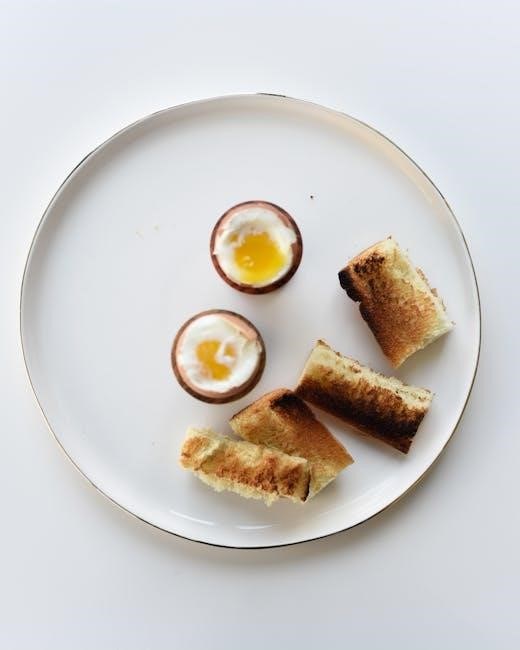
Achieving the perfect soft-boiled egg involves a delicate balance of time and temperature. Typically‚ using an egg cooker‚ a setting slightly below the “medium” option yields ideal results. This results in a runny yolk encased in a just-set white – perfect for dipping toast soldiers! Experimentation is key‚ as cookers vary. Start with around 7-8 minutes‚ adjusting based on your appliance and desired yolk consistency. Remember‚ a shorter cooking time ensures a delightfully liquid center‚ while a longer time will lean towards medium-boiled.
Medium Boiled Eggs
For medium-boiled eggs‚ aim for a yolk that’s partially set but still creamy. Utilizing your egg cooker‚ select the “medium” setting as a starting point. This generally translates to approximately 9-11 minutes of cooking time. The white should be fully cooked‚ providing a pleasant texture‚ while the yolk retains a soft‚ slightly gooey center. Adjust the time slightly based on your cooker’s performance and personal preference for yolk firmness. This is ideal for salads or enjoying as a snack!
Hard Boiled Eggs
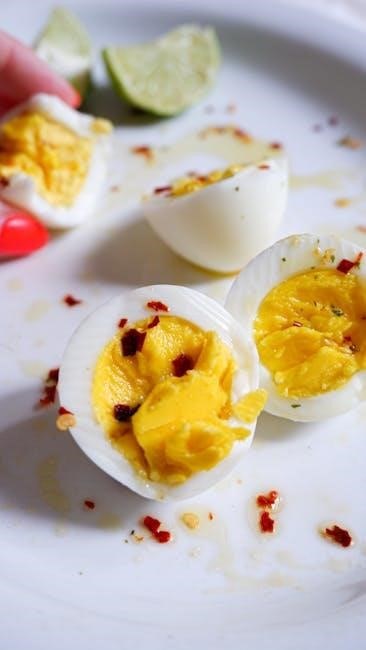
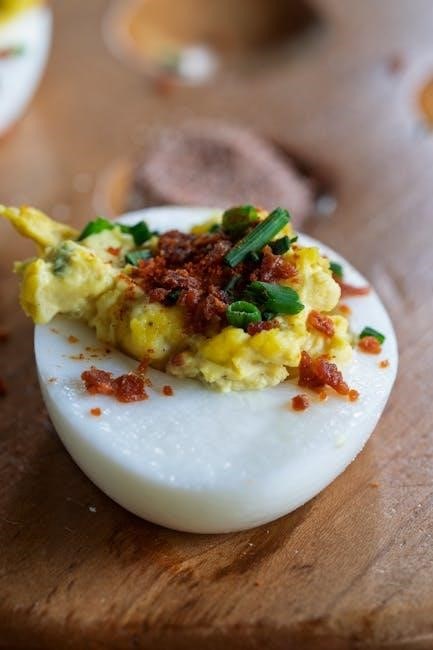
To achieve fully hard-boiled eggs with a firm‚ solid yolk‚ utilize the designated “hard” setting on your egg cooker. Typically‚ this requires around 12-15 minutes of cooking time‚ though it can vary. Ensure the whites are completely set and the yolk is firm throughout‚ without any trace of creaminess. These are perfect for deviled eggs‚ egg salad‚ or simply enjoying as a protein-rich snack. Remember to immediately transfer to an ice bath!
Cooling and Peeling Hard Boiled Eggs
Immediately plunge cooked eggs into an ice water bath to halt the cooking process and aid in easier peeling‚ preventing rubbery whites.
Ice Water Bath
The ice water bath is crucial for stopping the cooking process immediately‚ preventing overcooking and that undesirable green ring around the yolk. Submerge the eggs in ice water for at least 10-15 minutes. This rapid cooling causes the egg to contract slightly‚ separating it from the shell. Ensure the water is genuinely cold‚ replenishing ice as needed to maintain a low temperature. This simple step dramatically improves peelability‚ making your hard-boiled eggs a joy to prepare and enjoy‚ consistently delivering perfect results.
Peeling Techniques
Effective peeling starts with a gentle approach. Tap the egg all over on a hard surface to create a network of fine cracks. Begin peeling from the larger end‚ where an air pocket often exists. Roll the egg gently under cool running water to help separate the shell from the egg white. For stubborn shells‚ try peeling under water – it eases the process. Patience is key; avoid forceful peeling to maintain the egg’s shape and presentation.
Troubleshooting Difficult Peeling
If eggs resist peeling‚ freshness might be the culprit. Older eggs generally peel easier than very fresh ones. An ice bath is crucial; it creates a separation layer. Adding a teaspoon of baking soda to the cooking water can also elevate the pH‚ aiding shell removal. Gently roll and tap‚ avoiding tearing the delicate egg white. Persistent issues may indicate overly tight eggs – try a slightly shorter cooking time next time.
Cleaning and Maintenance
Regular cleaning ensures longevity. Wipe the base‚ wash the egg tray with mild soap‚ and store the cooker in a dry place for optimal performance.
Cleaning the Cooker Base
To clean the cooker base effectively‚ always ensure the appliance is unplugged and completely cool. Gently wipe down the exterior with a damp cloth to remove any spills or residue. Avoid abrasive cleaners‚ as they can damage the surface. For stubborn stains‚ a mild dish soap solution can be used‚ followed by a thorough rinse with a clean‚ damp cloth.
Never immerse the base in water‚ as this could lead to electrical hazards. Pay attention to the heating plate‚ ensuring it’s free from egg remnants. Proper base maintenance extends the lifespan of your egg cooker.
Cleaning the Egg Tray
The egg tray requires regular cleaning to prevent buildup and ensure hygienic egg cooking. After each use‚ remove the tray and rinse it under warm water. Use a soft sponge or cloth to gently scrub away any remaining egg residue. For dried-on bits‚ soak the tray in warm‚ soapy water before scrubbing.
Dishwasher compatibility varies by model‚ so check your user manual. Thoroughly dry the tray before reassembling the egg cooker. A clean egg tray contributes to consistently fresh-tasting eggs.
Proper Storage
Storing your egg cooker correctly extends its lifespan and maintains optimal performance. Always ensure the unit is completely cool and dry before storing it. Disconnect the power cord and store it separately to prevent damage. Keep the cooker in a clean‚ dry place‚ away from direct sunlight and extreme temperatures.
Avoid storing heavy items on top of the cooker‚ as this could cause damage. Proper storage ensures your egg cooker remains ready for perfectly cooked eggs whenever you desire!
Safety Precautions
Always prioritize safety when using your egg cooker. Avoid overheating‚ handle hot surfaces with care‚ and ensure proper electrical safety for worry-free operation.
Avoiding Overheating
To prevent overheating‚ strictly adhere to the manufacturer’s guidelines regarding water levels and cooking times. Never operate the egg cooker without the appropriate amount of water‚ as this can cause the unit to overheat and potentially damage the appliance. Regularly inspect the heating element for any signs of damage or malfunction. Do not leave the cooker unattended during operation‚ and always unplug it once the cooking cycle is complete to eliminate any risk of continued heating.
Handling Hot Surfaces
Exercise extreme caution when handling the egg cooker‚ particularly after or during operation‚ as many surfaces become very hot. Always use oven mitts or pot holders when touching the cooker base‚ lid‚ or egg tray to avoid burns. Allow the appliance to cool completely before attempting to clean or store it. Keep children and pets away from the hot surfaces to prevent accidental injuries. Avoid touching any exposed heating elements.
Electrical Safety
Always ensure the egg cooker is used with a properly grounded electrical outlet. Never operate the appliance with a damaged cord or plug‚ and avoid using extension cords if possible. To prevent electrical shock‚ do not immerse the cooker base in water or any other liquid. Unplug the cooker when not in use and before cleaning. Inspect the cord regularly for damage‚ and discontinue use if any issues are detected.

Troubleshooting Common Issues
Addressing problems like eggs not cooking‚ cracking‚ or a cooker failing to power on is crucial for consistent results and extending the appliance’s lifespan.
Eggs Not Cooking
If eggs aren’t cooking‚ first verify the power connection and ensure the cooker is switched on; Confirm adequate water levels‚ as insufficient water prevents proper steam generation. Double-check the selected cooking setting; it might be set too low or to ‘warm’ instead of ‘cook’.
Also‚ ensure eggs aren’t overcrowded‚ hindering even heat distribution. Older egg cookers may have a faulty heating element‚ requiring replacement or a new unit. Finally‚ confirm the cooker isn’t overheating and shutting off prematurely;
Eggs Cracking During Cooking
Egg cracking often stems from rapid temperature changes or pre-existing shell weaknesses. Avoid placing extremely cold eggs directly into the hot cooker; let them sit at room temperature briefly. Ensure eggs aren’t bumping against each other within the cooker‚ which can cause fractures.
Using the correct water level is crucial; too much water can increase pressure. Older or thinner-shelled eggs are more prone to cracking‚ so handle them gently.
Cooker Not Turning On
If your egg cooker fails to power on‚ first verify the power cord is securely plugged into both the cooker and a functioning outlet. Check if the outlet itself is working by testing it with another appliance. Examine the power cord for any visible damage‚ like fraying or cuts.
Some cookers have a reset button; consult the manual. Ensure the cooker’s base is dry before use.

Beyond Hard Boiled Eggs
Many egg cookers aren’t limited to just eggs! Explore making poached eggs‚ small omelets‚ or even steaming vegetables with included accessories for versatility.
Poached Eggs
Certain egg cookers‚ like the Hamilton Beach 3-in-1‚ include a poaching tray. This allows for easy‚ consistent poaching without the fuss of swirling vinegar in boiling water. Simply add water to the designated line‚ place eggs in the poaching tray‚ and select the poaching setting. The cooker gently steams the eggs‚ resulting in perfectly poached eggs every time‚ ideal for eggs benedict or avocado toast. Experiment with cooking times for desired yolk runniness!
Omelets
Many egg cookers‚ particularly models like the Hamilton Beach 3-in-1‚ come with an omelet tray. This accessory enables you to create quick and easy single-serving omelets. Pour your whisked egg mixture‚ along with your favorite fillings – cheese‚ vegetables‚ or meats – into the tray. Select the omelet setting‚ and the cooker will steam the eggs to fluffy perfection. It’s a convenient breakfast solution for busy mornings‚ offering a healthier alternative to fast food.
Steamed Vegetables
Beyond eggs‚ certain egg cookers can surprisingly steam vegetables! Utilizing the same steaming principle as egg cooking‚ you can prepare small portions of broccoli‚ carrots‚ or green beans. Simply add water to the base‚ place the vegetables in the included tray (or a heat-safe bowl)‚ and select a suitable steaming time. This offers a healthy side dish option‚ maximizing the versatility of your appliance and simplifying meal preparation.

Comparing Egg Cookers
Evaluating egg cookers involves considering price‚ features like omelet trays‚ and user feedback. Models such as Hamilton Beach and Chef’sChoice offer varied functionalities.
Price Comparison
Egg cooker costs vary significantly. The Hamilton Beach 3-in-1 generally represents a budget-friendly option‚ often available under $30‚ making it accessible for most kitchens. Conversely‚ the Chef’sChoice 800 Electric Egg Cooker typically falls within the $50-$70 range‚ reflecting its advanced features and consistent performance.
The Dash Rapid Egg Cooker occupies a middle ground‚ usually priced between $30 and $50. Considering features like capacity‚ included accessories (poaching‚ omelet trays)‚ and user reviews is crucial when evaluating value for money.
Feature Comparison
Feature sets differentiate egg cookers. The Hamilton Beach 3-in-1 offers versatility with omelet and poaching capabilities alongside boiling‚ while the Chef’sChoice 800 excels at consistently perfect hard-boiled eggs‚ aided by its dual-tiered system.
The Dash Rapid Egg Cooker prioritizes speed and compactness. Key considerations include capacity (most handle up to 7 eggs)‚ automatic shut-off‚ and water level indicators. User-friendliness and ease of cleaning also contribute to overall value.
User Reviews
Customer feedback highlights the Hamilton Beach’s affordability and multi-functionality‚ though some note longer cooking times. The Chef’sChoice 800 consistently receives praise for its reliable performance and easy peeling results. Dash Rapid Egg Cooker users appreciate its speed and small footprint.
Common complaints involve inaccurate water level markings and difficulty peeling eggs‚ regardless of the model. Positive reviews frequently mention the convenience and consistent results these cookers provide‚ simplifying breakfast or meal prep.
Egg cookers deliver convenience and consistent results‚ simplifying egg preparation. Enjoy perfectly cooked eggs with ease‚ enhancing your breakfast and mealtime experiences!
The Convenience of Egg Cookers
Egg cookers truly revolutionize the process of preparing eggs‚ offering unparalleled convenience for busy individuals and families. Unlike traditional stovetop methods‚ these appliances eliminate guesswork and the risk of over or undercooking. Simply add water‚ place the eggs‚ and select your desired setting – soft‚ medium‚ or hard-boiled.
This hands-off approach frees up valuable time in the kitchen‚ allowing you to focus on other tasks. Furthermore‚ egg cookers often include accessories for poaching or making omelets‚ expanding their versatility beyond just hard-boiled eggs. Cleanup is also a breeze‚ making them a practical addition to any kitchen.
Enjoying Perfectly Cooked Eggs
Achieving consistently perfect eggs is the ultimate reward of using an egg cooker. Say goodbye to frustratingly difficult-to-peel eggs or yolks that are too runny or too dry. These cookers deliver precisely cooked eggs tailored to your preference‚ every single time.
Enjoy them as a protein-packed snack‚ add them to salads‚ or create delicious deviled eggs – the possibilities are endless! The ease and reliability of an egg cooker elevate a simple ingredient into a culinary delight‚ enhancing your meals and simplifying your life.