Butterball Turkey Burgers: A Comprehensive Cooking Guide
Butterball turkey burgers offer a flavorful and healthier alternative to beef, requiring careful cooking to maintain juiciness.
Air frying delivers remarkably tender and seasoned patties in under ten minutes, perfect for a quick, healthy meal.
Understanding Butterball Turkey Burger Composition
Butterball turkey burgers distinguish themselves through a specific composition designed to combat the common dryness associated with ground turkey. Unlike solely ground turkey, these burgers typically incorporate dark and white meat, providing a richer flavor profile and increased moisture content.
Furthermore, Butterball often adds a binding agent, frequently breadcrumbs or a similar ingredient, to help the patties hold their shape during cooking and retain juiciness. Seasoning is also pre-mixed, contributing to a more flavorful final product. Understanding this composition is crucial; it means these burgers require slightly different handling than 100% ground turkey.
The pre-seasoned nature impacts additional seasoning choices, while the binder affects how firmly you can press the patties. Recognizing these elements allows for optimal cooking techniques, ensuring a tender, flavorful burger rather than a dry, crumbly one.
Choosing the Right Butterball Turkey Burger Variety
Butterball offers a range of turkey burger varieties, each influencing the ideal cooking approach. Original blends are versatile, suitable for grilling, pan-frying, or air frying, but benefit from added seasoning to boost flavor. Jalapeño varieties introduce heat, potentially pairing well with cooling toppings and quicker cooking times due to the added ingredients.
Pre-formed patties simplify cooking, ensuring consistent size and shape, ideal for even cooking in an air fryer or on the grill. However, loosely formed patties may require gentle handling to prevent crumbling. Considering fat content is also key; leaner varieties need extra moisture during cooking.
Ultimately, selecting the right variety depends on your preference for spice, convenience, and desired cooking method. Understanding these nuances allows you to tailor your cooking technique for the best possible result.
Preparing the Turkey Burger Patties
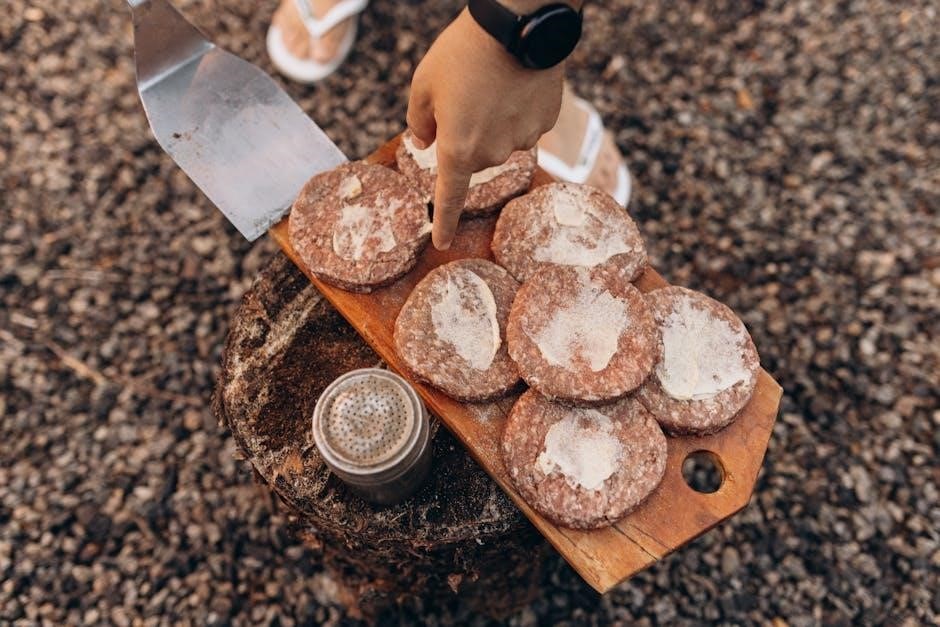
Proper patty preparation is crucial for juicy Butterball turkey burgers. Gently handle the turkey mixture to avoid overworking, which leads to tough burgers. Avoid excessive compression when forming patties; a light touch retains moisture. Aim for patties approximately ¾ inch thick for even cooking.
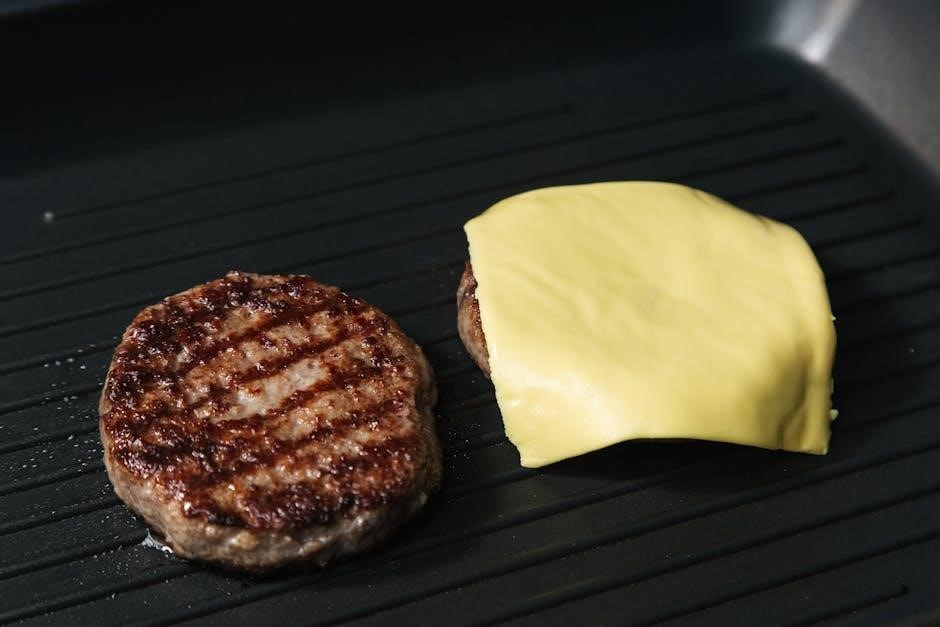
Creating a slight indentation in the center of each patty prevents bulging during cooking, ensuring a uniform shape. If using frozen patties, thawing partially can aid in seasoning distribution. A binder, like breadcrumbs or an egg, helps hold the patty together, preventing crumbling, especially important for leaner blends.
Remember, turkey burgers benefit from robust seasoning. Don’t be shy with spices and herbs to counteract the naturally mild flavor of turkey.
Thawing Frozen Butterball Turkey Burgers
Safely thawing frozen Butterball turkey burgers is paramount for food safety and optimal texture. The refrigerator is the recommended method; place the frozen patties on a plate or in a container to catch any drips. Allow approximately 6-8 hours for complete thawing, depending on thickness and quantity.
For faster thawing, submerge the sealed package in cold water, changing the water every 30 minutes; Never thaw at room temperature, as this encourages bacterial growth. While cooking directly from frozen is possible, it can result in uneven cooking and a drier burger.
Partially thawed patties are more susceptible to bacterial contamination, so cook them immediately. Ensure the internal temperature reaches 165°F (74°C) to eliminate any potential health risks.
Seasoning Butterball Turkey Burgers for Optimal Flavor
Butterball turkey burgers benefit greatly from robust seasoning, as turkey can be milder in flavor than beef. Don’t be shy! A blend of salt, black pepper, garlic powder, onion powder, and paprika is a fantastic starting point. Consider adding a touch of cayenne pepper for a subtle kick, or smoked paprika for a smoky depth.
Worcestershire sauce, Dijon mustard, or even a splash of soy sauce can enhance the umami flavor. Fresh herbs like parsley, chives, or thyme add brightness. A binder, like a beaten egg or a tablespoon of breadcrumbs per pound, helps maintain moisture and prevents crumbling.
Gently incorporate the seasonings into the turkey mixture, avoiding overmixing, which can lead to tough burgers. Let the seasoned patties rest in the refrigerator for at least 30 minutes to allow the flavors to meld.
Cooking Methods for Butterball Turkey Burgers
Butterball turkey burgers are surprisingly versatile and can be cooked using several methods, each offering unique results. Air frying is exceptionally quick, yielding juicy burgers in under ten minutes. Grilling imparts a smoky flavor, but requires careful attention to prevent drying. Pan-frying provides excellent control over cooking temperature and allows for a flavorful sear.
Baking is a hands-off option, ideal for larger batches, though it may result in a slightly less browned exterior. Regardless of the method, achieving the correct internal temperature is crucial for safety and optimal flavor. Remember that turkey burgers, unlike beef, should be cooked thoroughly.
Each method requires adjustments to cooking time and temperature to ensure a moist and flavorful final product. Experiment to find your preferred technique!
Air Fryer Cooking Instructions
Air frying Butterball turkey burgers is remarkably simple and fast! Begin by preheating your air fryer to 375°F (190°C). Place the turkey burger patties in the air fryer basket in a single layer, ensuring they aren’t overcrowded. For frozen patties, add approximately 2-3 minutes to the cooking time.
Cook for approximately 6-8 minutes, flipping halfway through, until the burgers reach an internal temperature of 165°F (74°C). The exact cooking time will vary depending on the thickness of the patties and your specific air fryer model.
Air frying locks in moisture, resulting in exceptionally juicy and flavorful burgers. This method is perfect for a quick and healthy weeknight dinner. Serve immediately on your favorite buns with desired toppings!
Optimal Internal Temperature for Turkey Burgers
Ensuring Butterball turkey burgers reach the correct internal temperature is crucial for both safety and optimal flavor. The USDA recommends cooking turkey burgers to a minimum internal temperature of 165°F (74°C). This temperature guarantees the elimination of harmful bacteria, protecting against foodborne illness.
Utilize a reliable meat thermometer inserted into the thickest part of the patty to accurately measure the temperature. Avoid relying solely on cooking time, as variations in patty thickness and air fryer performance can affect results.
Cooking to 165°F will yield a juicy, fully cooked burger. Overcooking can lead to dryness, diminishing the overall taste experience. Prioritize safety by verifying the temperature before serving, guaranteeing a delicious and worry-free meal.
Grilling Butterball Turkey Burgers
Grilling Butterball turkey burgers requires a slightly different approach than beef to prevent drying out. Preheat your grill to medium heat, around 350-400°F (175-200°C). Lightly oil the grill grates to avoid sticking.
Place the patties on the grill and cook for approximately 5-7 minutes per side. Avoid pressing down on the burgers, as this expels juices and results in a drier patty. Frequent flipping can also help maintain moisture.
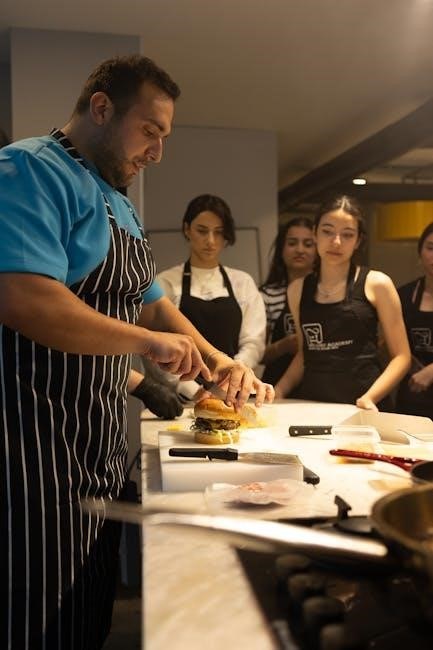
Monitor the internal temperature closely, aiming for 165°F (74°C). Consider using a grill basket or foil to prevent the burgers from falling apart. A touch of moisture is key; basting with a little olive oil or broth during grilling can enhance juiciness.
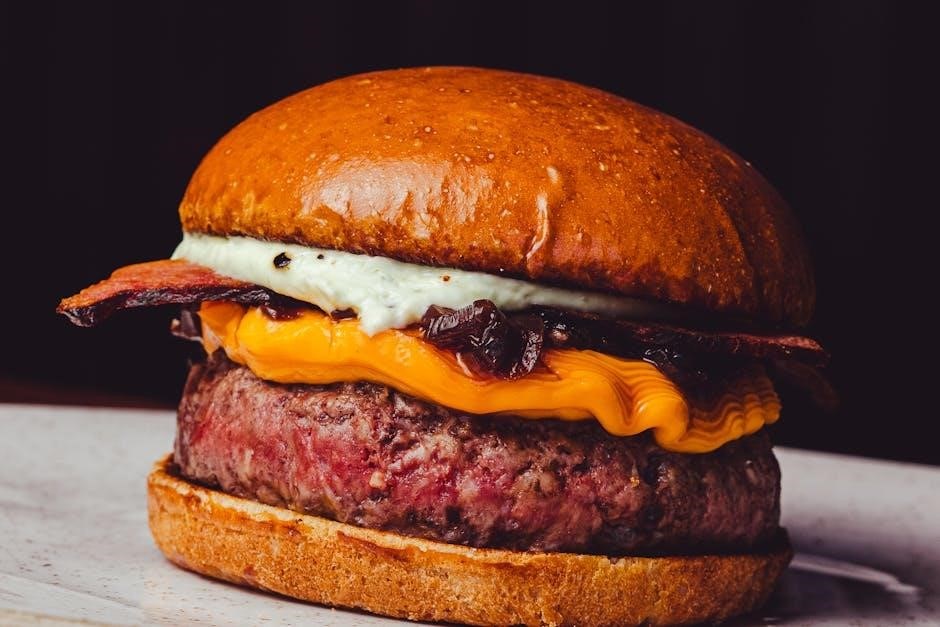
Grilling Time and Temperature Guidelines
For Butterball turkey burgers, preheat your grill to a medium heat, ideally between 350°F and 400°F (175°C ౼ 200°C). Thinner patties, around ½ inch thick, will cook faster, typically needing 4-5 minutes per side. Thicker patties, ¾ inch or more, require 6-8 minutes per side.
Always use a meat thermometer to ensure the internal temperature reaches a safe 165°F (74°C). Begin checking the temperature around the 5-minute mark. Remember, carryover cooking will continue to raise the temperature slightly after removing from the grill.
Avoid high heat, as it can quickly dry out the turkey. Consistent temperature control is crucial for juicy results. Adjust grill burners as needed to maintain the desired heat range throughout the cooking process.
Preventing Turkey Burgers from Drying Out on the Grill
Turkey burgers are notoriously prone to dryness, but several techniques can combat this. Firstly, avoid overworking the meat when forming patties; gentle handling preserves moisture. Incorporating a binder, like breadcrumbs or an egg, also helps retain juiciness.
Before grilling, lightly oil the grill grates to prevent sticking. Avoid pressing down on the patties while cooking, as this squeezes out essential juices. Maintaining a medium heat is vital – high heat leads to rapid moisture loss.
Consider basting the burgers with a flavorful marinade or sauce during the last few minutes of grilling. Allowing the burgers to rest for 5-10 minutes after cooking allows the juices to redistribute, resulting in a more tender and flavorful burger.
Pan-Frying Butterball Turkey Burgers
Pan-frying is a convenient method for cooking Butterball turkey burgers, offering excellent control over temperature and ensuring even cooking. Begin by heating a tablespoon of oil – olive or avocado oil work well – in a non-stick skillet over medium heat.
Gently place the turkey burger patties into the hot skillet, ensuring not to overcrowd the pan. Cook for approximately 5-7 minutes per side, or until the internal temperature reaches 165°F (74°C). Avoid pressing down on the patties, as this expels moisture.
For added flavor, consider adding a knob of butter to the pan during the last minute of cooking, basting the burgers with the melted butter. This imparts a rich, savory finish. Serve immediately on your favorite buns with desired toppings.
Baking Butterball Turkey Burgers
Baking provides a hands-off approach to cooking Butterball turkey burgers, ideal for busy weeknights. Preheat your oven to 375°F (190°C). Line a baking sheet with parchment paper to prevent sticking and facilitate easy cleanup.
Place the turkey burger patties on the prepared baking sheet, ensuring they are not overcrowded. Bake for 20-25 minutes, flipping halfway through, until the internal temperature reaches 165°F (74°C). To prevent dryness, consider lightly brushing the patties with olive oil before baking.
For enhanced flavor, you can add seasonings directly to the patties before baking or sprinkle them with herbs during the last few minutes of cooking. Baking yields a consistently cooked, juicy burger, perfect for meal prepping or larger gatherings.
Serving Suggestions for Butterball Turkey Burgers
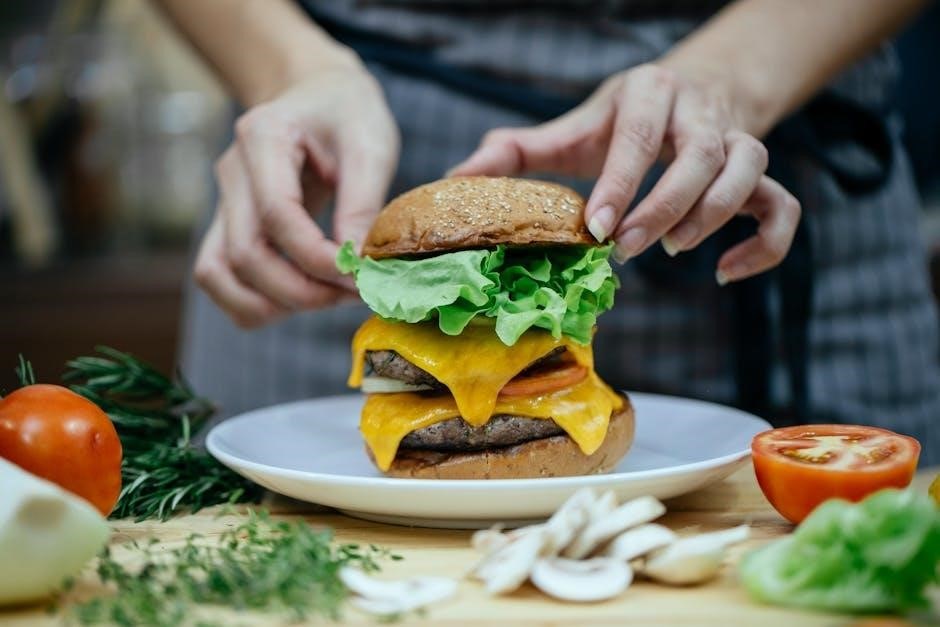
Butterball turkey burgers are incredibly versatile and pair well with a variety of sides and toppings. For a classic experience, serve them on toasted buns with your favorite condiments – lettuce, tomato, onion, and a spread like mayonnaise or mustard are excellent choices.
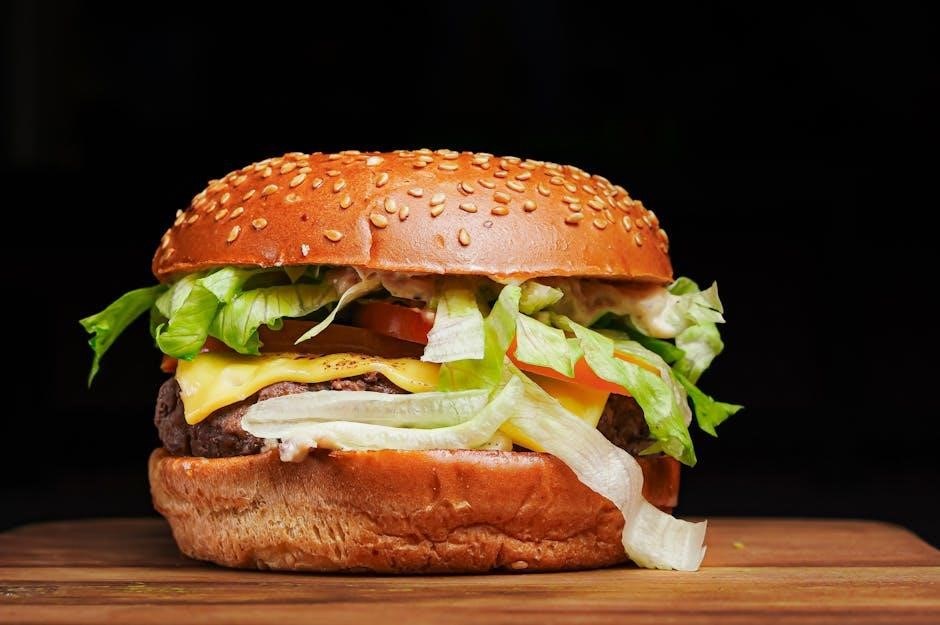
Elevate your burger with gourmet toppings such as avocado, caramelized onions, or a spicy aioli. Consider a lighter approach by serving the patty over a salad with a vinaigrette dressing.
Complement your turkey burger with side dishes like sweet potato fries, coleslaw, or a fresh fruit salad. A simple side of roasted vegetables also provides a healthy and flavorful accompaniment. Don’t forget a refreshing beverage to complete the meal!
Burger Toppings and Condiments
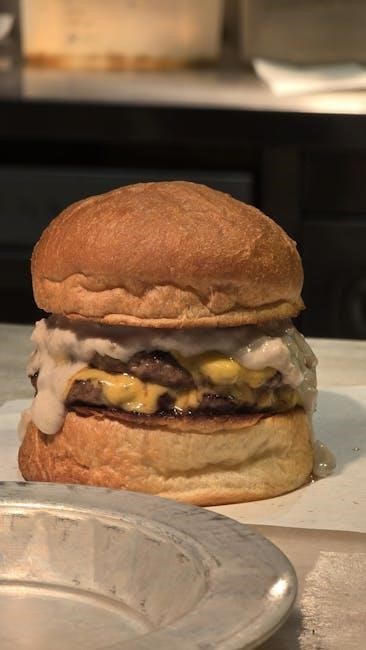
Butterball turkey burgers truly shine with the right toppings and condiments! Classic choices like crisp lettuce, juicy tomato slices, and thinly sliced red onion provide a refreshing crunch. Don’t underestimate the power of a good cheese – cheddar, Swiss, or pepper jack all complement turkey beautifully.
For a flavor boost, consider adding avocado slices, caramelized onions, or sautéed mushrooms. Spice things up with jalapeños or a drizzle of sriracha mayo. Condiments are key: ketchup, mustard, and mayonnaise are staples, but explore options like aioli, pesto, or a tangy barbecue sauce.
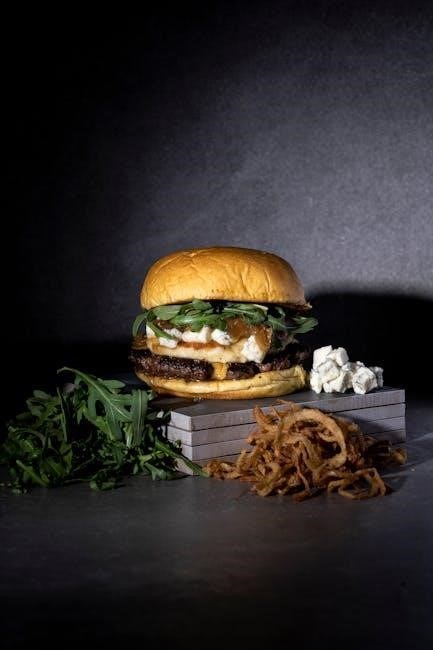
Experiment with different combinations to find your perfect burger! A little creativity can transform a simple turkey burger into a gourmet delight.
Side Dish Pairings for Turkey Burgers
Butterball turkey burgers, being lighter than beef, pair wonderfully with a variety of side dishes. Classic options like crispy French fries or sweet potato fries offer a satisfying contrast in texture and flavor. For a healthier choice, consider a vibrant side salad with a light vinaigrette dressing.
Grilled vegetables, such as asparagus, zucchini, or bell peppers, complement the turkey’s lean profile. A creamy coleslaw adds a cool and tangy element. Potato salad, whether classic or German-style, is always a crowd-pleaser.
Don’t overlook the simplicity of roasted potatoes or a side of fresh fruit. Ultimately, the best side dish depends on your personal preference and the overall meal you’re aiming for!
Food Safety Guidelines for Turkey Burgers
Butterball turkey burgers, like all poultry products, require careful handling to prevent foodborne illness. Always ensure the internal temperature reaches 165°F (74°C) as measured with a food thermometer – this is crucial for safety. Prior to cooking, keep raw turkey burgers refrigerated and avoid cross-contamination by using separate cutting boards and utensils.
Wash your hands thoroughly with soap and water after handling raw turkey. Thoroughly clean and sanitize all surfaces that have come into contact with the raw meat. Avoid partially cooking and then finishing later, as this can promote bacterial growth.
Proper storage of leftovers is also vital; refrigerate cooked turkey burgers within two hours and consume within 3-4 days. Following these guidelines ensures a safe and enjoyable meal.
Troubleshooting Common Turkey Burger Issues
Butterball turkey burgers can sometimes be tricky; dryness is a frequent complaint. To combat this, avoid overcooking and consider adding a binder like breadcrumbs or an egg to the mixture. If burgers fall apart, ensure sufficient binding ingredients and chill the patties before cooking.
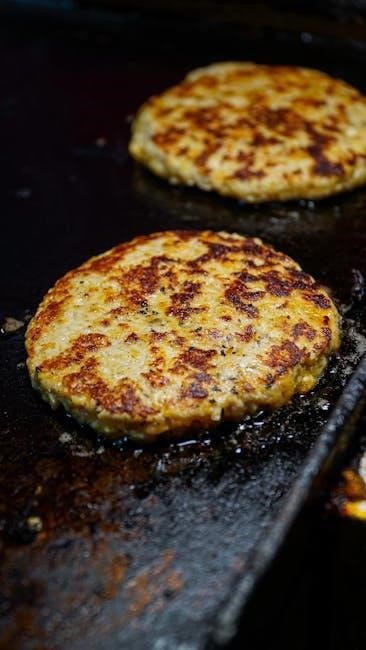
Lack of flavor is easily addressed with generous seasoning. Don’t be afraid to experiment with herbs, spices, and sauces. For blandness, consider incorporating finely chopped onions, garlic, or even a touch of Worcestershire sauce into the patty mix.
If burgers stick to the grill, ensure it’s properly oiled or use parchment paper. Remember, a juicy, flavorful turkey burger is achievable with the right techniques!