Bowling Shoe Size Guide ― Comprehensive Plan (12/11/2025 21:42:09)
This guide provides bowlers with accurate sizing information, addressing the lack of industry standards and offering international conversions for optimal comfort and performance.
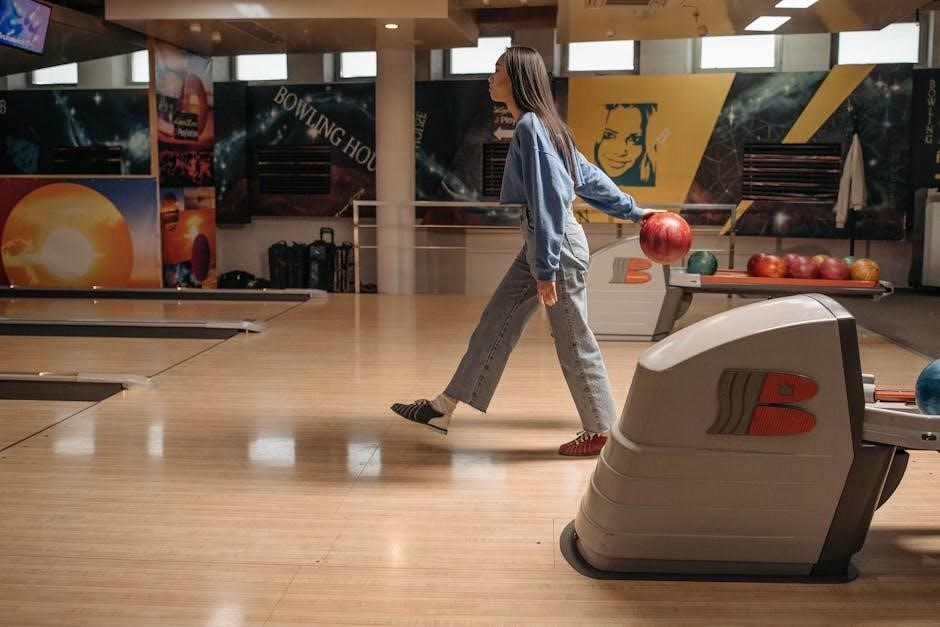
Properly fitted bowling shoes are crucial for comfort, preventing blisters, and maximizing performance; rentals are available, but owning shoes is preferred for serious bowlers.
Why Proper Fit Matters
Achieving a precise fit in bowling shoes is paramount for several reasons extending beyond simple comfort. Ill-fitting shoes can significantly hinder a bowler’s technique and overall performance. A shoe that’s too large allows unwanted movement within the shoe, impacting stability and control during the approach and release. Conversely, a shoe that’s too small can cause discomfort, blisters, and even restrict blood flow, leading to fatigue and reduced focus.
The correct fit ensures a consistent and secure platform, enabling bowlers to transfer energy efficiently and maintain balance throughout their delivery. This translates to improved accuracy, power, and ultimately, higher scores. Investing time in finding the right size is an investment in your game.
Impact of Ill-Fitting Shoes on Performance
The consequences of wearing improperly sized bowling shoes extend far beyond mere discomfort; they directly affect a bowler’s ability to perform consistently. Shoes that are too big create instability, causing the foot to slide during the approach, leading to inconsistent release points and reduced accuracy. This lack of solid footing compromises power generation and control.
Conversely, shoes that are too tight restrict movement, causing discomfort and potentially hindering the natural flow of the bowling swing. This can lead to tension, fatigue, and a diminished ability to maintain balance. Blisters and foot pain further distract from focus and technique. Ultimately, ill-fitting shoes introduce variables that negatively impact scoring potential.
Bowling Shoe Rental vs. Ownership
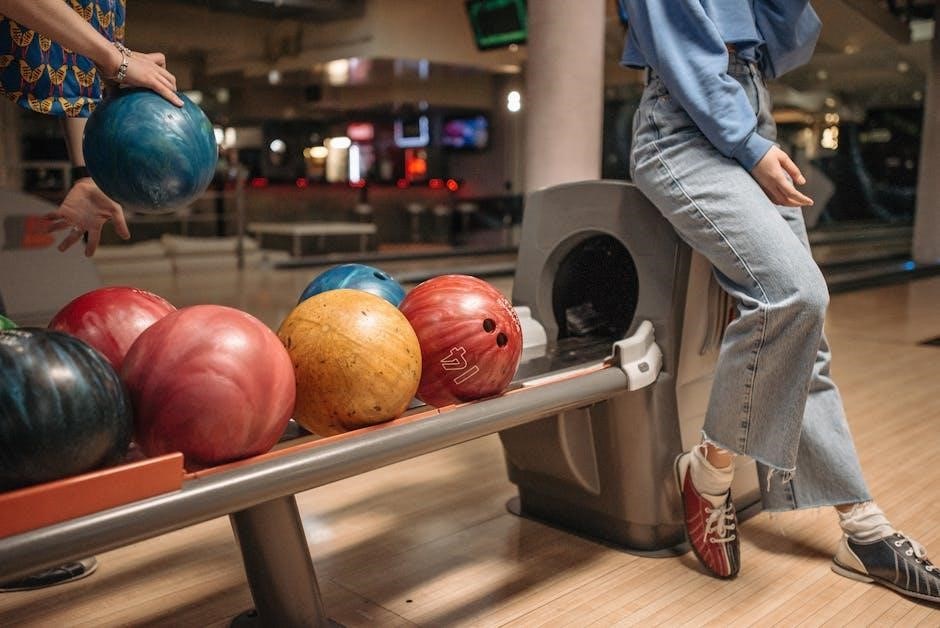
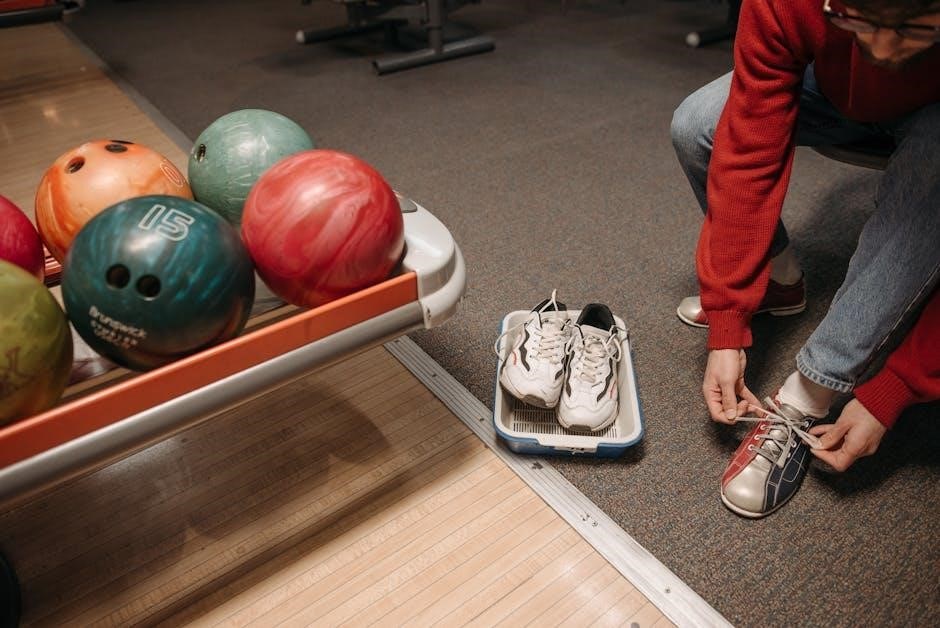
While bowling alleys typically offer rental shoes, these are often subject to significant wear and tear and may not provide the optimal fit for every bowler. Rental shoes are sanitized, but consistent use by many individuals can lead to discomfort and potential hygiene concerns. They range in size, from toddler 5 to men’s 20, but availability isn’t guaranteed.
For frequent or serious bowlers, investing in personal bowling shoes is highly recommended. Ownership allows for a customized fit, enhancing comfort, performance, and consistency. Properly fitted shoes improve balance, slide, and overall control. Furthermore, owning shoes eliminates rental fees and ensures a hygienic bowling experience, making it a worthwhile investment for dedicated players.
Understanding Bowling Shoe Size Charts
Size charts are essential tools, but inconsistent industry standards necessitate careful foot measurement—length and width—for accurate shoe selection and optimal bowling performance.
The Lack of Industry Standard Sizing
Unfortunately, unlike many other athletic shoes, the bowling industry doesn’t adhere to a universal sizing system. This presents a significant challenge for bowlers when purchasing footwear, as a size 9 in one brand may not equate to a size 9 in another. This inconsistency stems from varying manufacturing processes and design philosophies among different bowling shoe brands.
Consequently, relying solely on your typical shoe size is often unreliable. It’s crucial to understand that sizing can fluctuate, impacting your game if the fit isn’t precise. This lack of standardization emphasizes the importance of accurate foot measurements and consulting specific brand size charts before making a purchase. Ignoring this can lead to discomfort, blisters, and ultimately, diminished performance on the lanes.
Importance of Foot Length and Width Measurements
Accurate foot measurements are paramount when selecting bowling shoes, surpassing the reliability of your standard shoe size. Foot length, measured from heel to longest toe, provides a foundational starting point. However, width is equally critical, as bowling shoes come in various widths to accommodate different foot shapes. Ignoring width can lead to pinching, rubbing, or a generally uncomfortable fit.

Precise measurements ensure you choose a shoe that supports your foot properly, enhancing stability and control during your approach and release. A well-fitting shoe minimizes friction, preventing blisters and maximizing comfort. Utilizing both length and width measurements, alongside brand-specific size charts, dramatically increases the likelihood of finding the perfect bowling shoe fit for optimal performance.
Utilizing Size Charts for Accurate Selection
Bowling shoe size charts are essential tools, yet understanding their limitations is crucial. Due to the absence of a standardized sizing system, charts vary between brands. Always consult the specific chart for the manufacturer you’re considering. Begin by accurately measuring your foot length and width, as detailed previously.
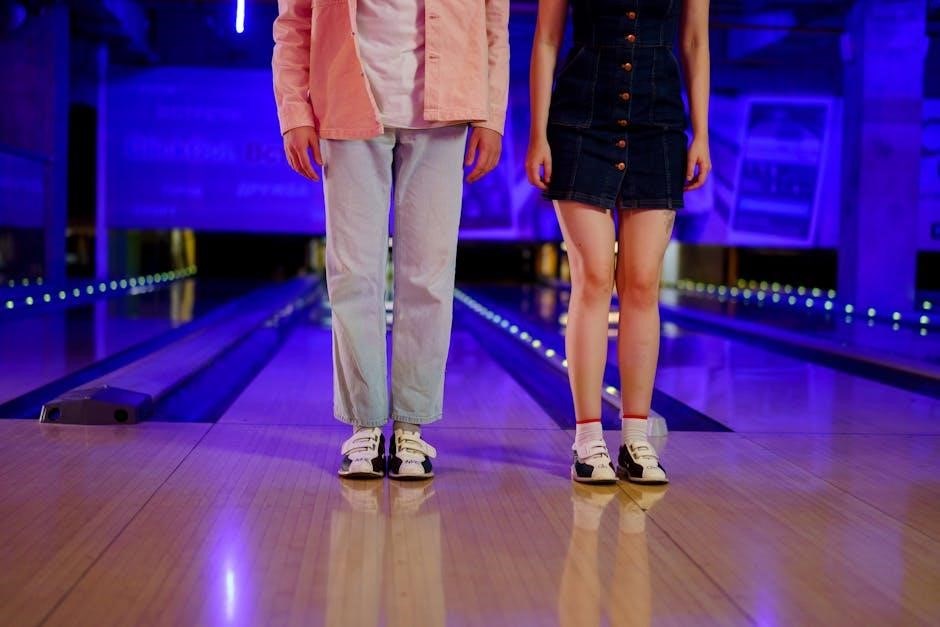
Compare your measurements to the chart, noting the corresponding shoe size. Remember that charts often provide ranges; prioritize the larger size if your measurements fall between two options. Consider the sock thickness you’ll typically wear while bowling. Don’t solely rely on your usual shoe size, as bowling shoes often run differently. Careful chart utilization significantly improves your chances of a comfortable and performance-enhancing fit.
International Bowling Shoe Size Conversion
Accurate conversions are vital for bowlers globally, as sizing standards differ across countries; charts help translate US sizes to UK, European, and Japanese equivalents.
Converting US Sizes to UK Sizes
Converting between US and UK bowling shoe sizes requires careful attention, as there isn’t a perfectly linear correlation. Generally, a US men’s size is approximately half a size larger than its UK counterpart. For example, a US men’s size 9 typically translates to a UK size 8.5. However, this can vary slightly between brands, so consulting a specific brand’s conversion chart is always recommended.
Women’s sizes follow a similar pattern, but the difference can be a full size. A US women’s size 8 might equate to a UK size 7. It’s crucial to remember these are approximations, and individual foot shapes and brand-specific designs can influence the ideal fit. Always prioritize foot length and width measurements for the most accurate conversion and a comfortable bowling experience.
Converting US Sizes to European Sizes
Converting US bowling shoe sizes to European (EU) sizes presents another layer of complexity due to differing standards. As a general rule, subtract 1.5 from the US men’s size to approximate the EU size. For instance, a US men’s size 10 would roughly correspond to an EU size 42.5. Women’s conversions are also possible, but require more nuance, often involving subtracting 2 from the US size.
However, these are broad estimations. EU sizing can be less consistent than US or UK sizing, and variations exist between manufacturers. Always refer to a specific brand’s size chart for the most precise conversion. Prioritizing accurate foot measurements – length and width – remains paramount for ensuring a comfortable and performance-enhancing fit when purchasing bowling shoes internationally.
Converting US Sizes to Japanese Sizes
Converting US bowling shoe sizes to Japanese sizes is arguably the most challenging conversion due to significant differences in sizing systems. Japanese sizing typically runs smaller than US sizes. A common approximation suggests adding 15 to 20 to the US men’s size to get the approximate Japanese size in centimeters. However, this is a very rough estimate.
Japanese shoe sizes are often expressed in centimeters rather than numerical sizes. Therefore, knowing your foot length in centimeters is crucial. Always consult a detailed size chart provided by the specific bowling shoe brand, as variations are common. Prioritizing accurate foot measurement and referencing brand-specific charts is essential for a proper fit when purchasing bowling shoes from Japanese manufacturers.
Measuring Your Feet for Bowling Shoes
Accurate foot measurement, including both length and width, is paramount for selecting the correct bowling shoe size and ensuring optimal comfort and performance.
Tools Needed for Accurate Measurement
To ensure a precise bowling shoe fit, gathering the right tools is essential. A Brannock device is highly recommended, as it accurately measures both foot length and width – crucial since sizing isn’t standardized. Alternatively, a ruler or measuring tape can be used, but requires careful attention to detail.
A piece of paper larger than your foot is also necessary for tracing. A pen or pencil will be needed for the tracing itself. Finally, wearing the socks you typically bowl in during measurement is vital; sock thickness impacts shoe fit significantly. Consistent measurement conditions, like measuring at the end of the day when feet are slightly swollen, will also improve accuracy.
Step-by-Step Foot Measurement Guide
Begin by placing your foot firmly on a piece of paper, ensuring your heel is against a wall. Trace your entire foot carefully with a pen or pencil. Measure the length from the back of your heel to the tip of your longest toe in inches or centimeters. Repeat with the other foot, as sizes can vary.
Next, measure the width of your foot at the widest point. It’s best to have someone assist with this step for accuracy. Record both measurements for each foot. When selecting a shoe size, use the larger of the two foot measurements to guarantee a comfortable fit. Remember to always measure while wearing your bowling socks!
Measuring Foot Width
Accurately determining foot width is crucial for bowling shoe comfort and performance. Use a ruler or measuring tape to measure the widest part of your foot, typically across the ball of your foot. Ensure the tape is straight and snug, but not overly tight.
Record this measurement in inches or centimeters. Bowling shoe widths are often categorized as narrow (2A), medium (B), wide (D), or extra-wide (EE). Compare your measurement to width charts provided by shoe manufacturers. If your measurement falls between sizes, it’s generally recommended to opt for the wider option to avoid constriction and discomfort during play. Proper width ensures optimal slide and balance.
Specific Brand Size Considerations
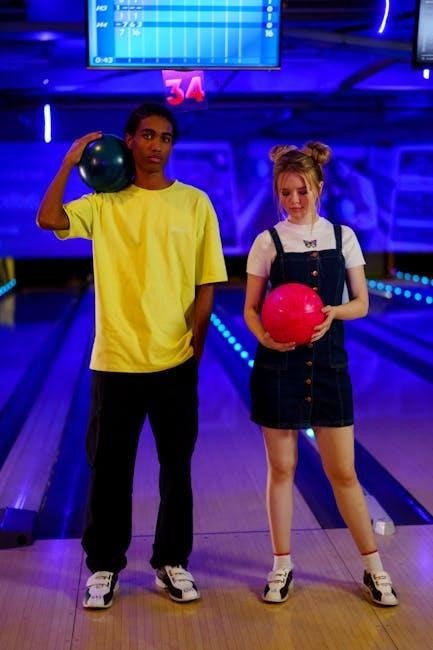
Bowling shoe sizing varies between brands like Dexter; understanding these discrepancies is vital for a precise fit and enhanced bowling experience.
Dexter Bowling Shoe Size Chart
Dexter is a highly popular brand, and their sizing often serves as a benchmark, though variations still exist. Generally, Dexter shoes tend to run slightly narrow, so bowlers with wider feet may need to consider going up half a size. Their charts typically correlate US men’s sizes with corresponding foot lengths in inches or centimeters.
For example, a US men’s size 9 often corresponds to a foot length of approximately 10.5 inches. Dexter also provides sizing for women and youth bowlers, with adjustments made for the differing foot shapes and lengths. It’s crucial to consult Dexter’s official size chart, available on their website or through retailers, as specific models can have slight variations. Remember to measure both feet, as sizes can differ, and always prioritize the larger measurement for optimal comfort and performance.
Other Popular Bowling Shoe Brands & Their Sizing
Beyond Dexter, brands like Brunswick, Storm, and Etonic each present unique sizing nuances. Brunswick shoes frequently align closely with standard athletic shoe sizing, but can sometimes feel a bit roomier in the toe box. Storm bowling shoes are known for their performance-oriented fit, often running slightly narrower, similar to Dexter, requiring potential upsizing for wider feet.
Etonic, historically a respected name, tends to offer a more traditional fit. It’s vital to check each brand’s specific size chart, as generalizations can be misleading. Many retailers offer brand-specific guides online. Always prioritize trying on shoes whenever possible, or carefully reviewing customer feedback regarding sizing before making a purchase to ensure a comfortable and effective bowling experience.
Common Sizing Discrepancies Between Brands
A significant challenge in bowling shoe sizing is the inconsistency across manufacturers. Unlike standardized athletic shoes, bowling shoe sizing lacks a universal benchmark. One brand’s size 9 may not equate to another’s, even within the same region. This stems from differing last shapes – the form around which the shoe is constructed – and varying material thicknesses.
Brunswick often runs larger compared to Storm, which tends to be narrower. Dexter frequently falls in between, but even within a single brand, variations can occur between different models. Therefore, relying solely on your usual shoe size is risky. Always consult the specific brand’s size chart and, ideally, try on shoes before purchasing. Customer reviews often highlight sizing tendencies, offering valuable insights.
Addressing Common Bowling Shoe Fit Issues
Proper fit solutions involve considering shoe size running variations, accommodating wide/narrow feet, and selecting shoes that support individual arch types for comfort.
Shoes Running Big or Small
A frequent question when purchasing bowling shoes is whether they tend to run larger or smaller than standard shoe sizes. Unfortunately, there isn’t a universal answer, as sizing can vary significantly between brands and even different models within the same brand. Many bowlers report that bowling shoes often run slightly larger than typical athletic shoes, potentially due to the stiffer construction and the need to accommodate the sliding motion.
It’s crucial to read reviews and consult specific brand size charts before making a purchase. If you’re between sizes, it’s generally recommended to size down, especially if you prefer a snug fit. Consider wearing the socks you intend to bowl in when trying on shoes to ensure an accurate fit. A little extra room is acceptable, but excessive space can lead to decreased control and potential injury.
Dealing with Wide or Narrow Feet
Bowlers with wider or narrower feet often face unique challenges when finding a comfortable and properly fitting bowling shoe. Standard width shoes may feel constricting for those with wider feet, leading to discomfort and reduced performance. Conversely, individuals with narrow feet may experience excessive movement within the shoe, impacting stability.
Fortunately, many bowling shoe manufacturers offer shoes in multiple widths. Look for options specifically labeled as “wide” or “narrow.” If a wide or narrow size isn’t available, consider shoes with adjustable features like laces or straps to customize the fit. Utilizing thicker or thinner socks can also provide a degree of adjustment. Proper measurement of foot width is essential, and consulting brand-specific sizing guides is highly recommended to navigate these fit challenges effectively.

Considerations for Different Arch Types
Bowling shoe comfort and performance are significantly impacted by arch support, varying greatly depending on individual foot structure. Bowlers with high arches generally require shoes with substantial cushioning and arch support to prevent strain and discomfort during gameplay. Those with flat feet may benefit from shoes offering motion control and stability features to minimize pronation.
Consider using aftermarket insoles designed for specific arch types to enhance comfort and support. These insoles can provide customized cushioning and alignment. When trying on shoes, pay attention to how your arch feels – it should be comfortably supported, not strained or unsupported. Understanding your arch type and selecting shoes accordingly is crucial for maximizing performance and preventing foot fatigue during extended bowling sessions.